Goal Setting
Goal Tracking: A Simple, Clear Way to Actually Reach Your Goals
What is goal tracking?
Goal tracking is the habit of checking your progress toward a goal on a regular basis. That way you always know if you are moving forward or quietly drifting. You set a goal, then you look at it again on purpose and notice what has changed.
Most people search for this because they know the feeling of losing a goal. You pick something that matters in January, life gets busy, and by spring you can barely remember what you promised yourself.
A goal is the outcome you want, like saving money or reading more. Progress is the small movement you make toward it this week. Goal tracking is just paying attention to that movement.
We build Fred, and we use it on our own goals every month. So we want to be honest with you about one thing early. Tracking works best as a simple check-in, not a daily scorecard that makes you feel behind.
There is real evidence behind this. The American Psychological Association reported that monitoring your progress toward a goal raised the chance people would reach it. The more often they checked in, the better they did.
Why goal tracking works
The reason is simple. A goal in your head is easy to forget, and a goal you can see is easy to act on.
When you check in often, the goal stays in view. It keeps nudging you, so you make small choices that add up instead of forgetting the thing entirely.
Writing your progress down helps even more. Researcher Benjamin Harkin and colleagues ran a meta-analysis of 138 studies in the journal Psychological Bulletin, with nearly 20,000 participants. They found that physically recording progress had a bigger effect on reaching goals than keeping it in your head.
Here is the part we love. Visibility is what drives results here. You do not need a strict system that punishes you, just a way to keep looking at what matters.
Goal tracking vs habit tracking: what's the difference?
This is the mix-up we see most often, so let's clear it up. Habit tracking is about repeating a small daily action, like marking an X every time you floss. Goal tracking is about moving a bigger outcome forward over weeks or months.
Both are useful. They just fit different jobs.
| Habit tracking | Goal tracking | |
|---|---|---|
| What you follow | A small action you repeat | A bigger outcome you build toward |
| Time frame | Daily | Weeks or months |
| How you measure | A streak of checkmarks | Progress on steps toward a goal |
| What a miss feels like | A broken streak | A normal dip you pick up next check-in |
| Best for | Building a routine | Reaching a specific goal |
Daily-streak apps can sting when you miss a day, and one miss makes some people quit the whole thing. Goal tracking on a monthly rhythm gives you room to breathe, so a slow week does not undo your progress.
How to track your goals in 6 simple steps
You do not need a complex tool to start. You can begin today with a notebook and ten quiet minutes.
Here is the system we use, broken into six small steps. Read it once, then try step one tonight.
Step 1: Start with a goal you can actually track
A trackable goal is specific and realistic. If a goal is vague, you cannot tell whether you are getting closer.
Compare "Get healthier" with "Walk 20 minutes after lunch on weekdays." The second one tells you exactly what to do. It also tells you when you have done it.
Start smaller than feels impressive. It helps to choose realistic goals you will actually finish. A goal you finish builds more momentum than a big one you abandon.
Step 2: Break it into steps you can check off
Now turn the goal into a few concrete steps. A good step passes a simple test: you know for sure when it is done.
For "Read 15 pages before bed on weekdays," your steps might be picking a book and setting a bedtime reminder. Those steps are what you actually track, day to day.
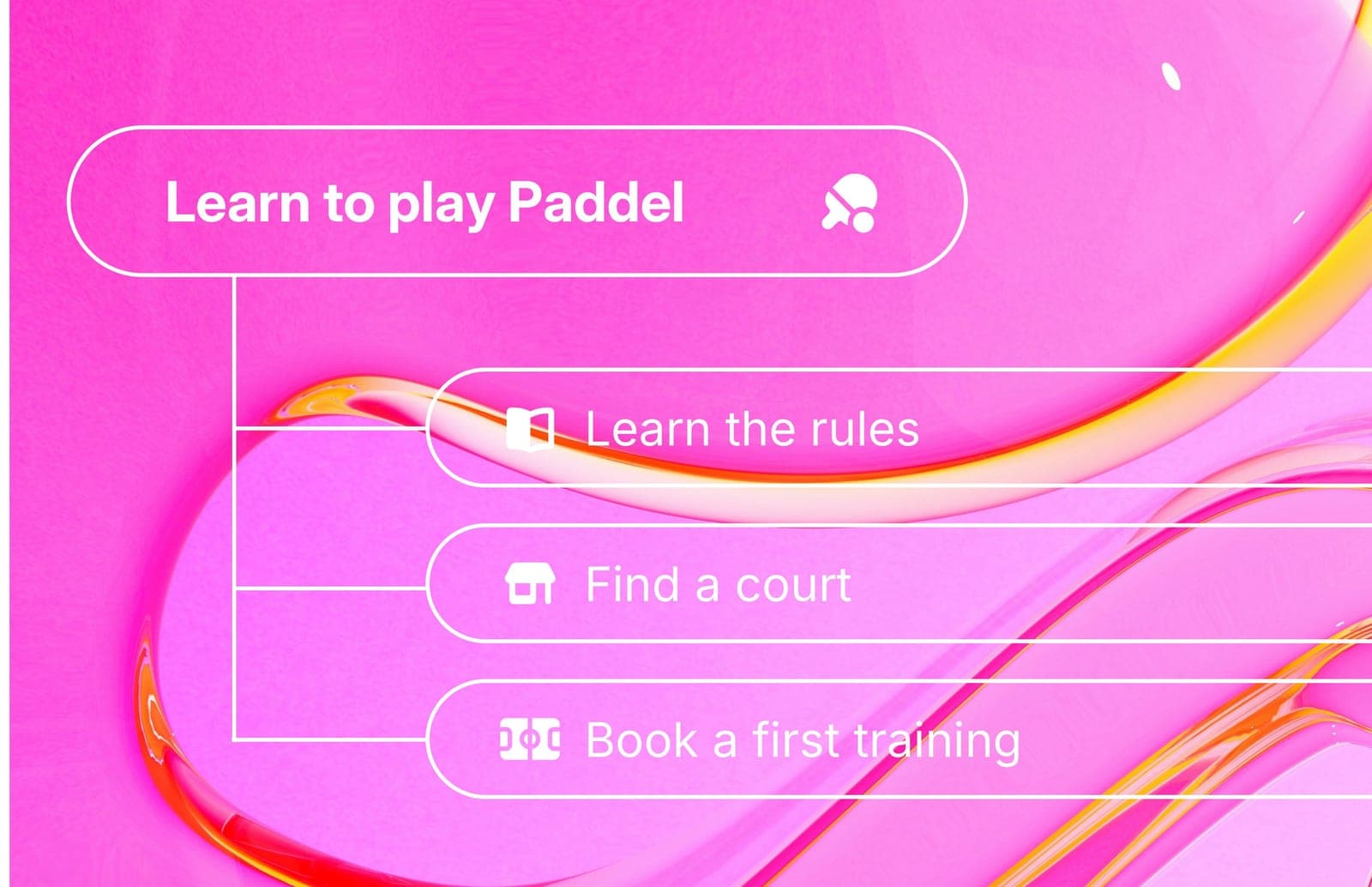
This is the part where most people stall, so learn to break goals into actionable steps before you start. If a goal still feels fuzzy, Fred AI can turn vague goals into steps in seconds. Then you can edit them until they feel like yours.
Step 3: Pick how you'll record progress
Recording beats remembering, so pick a home for your progress. A plain notebook works, and so does a spreadsheet. A goal tracking app works too.
Keep it low-friction. The best method is the one you will open again without groaning.
Spreadsheets and templates are fine, but they can turn into admin you have to maintain. An app removes most of that setup, so you spend your time on the goal instead of the tracker.
Step 4: Check in on a rhythm that fits you
Pick a rhythm you can keep, weekly or monthly. For bigger goals, we lean toward a monthly review, so one missed day never derails the whole plan.
At each check-in, ask two questions: what moved forward, and what stalled. Then decide your next step from there.
A monthly rhythm is more pleasant than chasing daily streaks. If you want to go deeper, monthly goal reviews beat once-a-year resolutions. You get twelve fresh starts instead of one.
Step 5: Share progress to stay accountable
Telling someone how you are doing raises your follow-through. Saying a goal out loud to a friend makes it feel real.
The numbers back this up. In one Dominican University study, people combined written goals with action steps and weekly progress updates to a friend. They averaged 7.6 out of 10 for goal achievement, compared to 4.28 for those who only thought about their goals.
You do not need a coach or a whole system for this. Just sharing goals with a friend who checks in with you can be enough to keep a goal moving.
Step 6: Set a follow-up goal for next month
Reaching a goal is not the end of the story. The month closes, and the real question becomes what comes next.
A follow-up goal picks up where the last one left off. If you walked 20 minutes after lunch this month, next month might be 30 minutes, or two longer walks on the weekend. If the goal did not get finished, the follow-up is often the same goal with a smaller scope.
This is where a clean monthly reset earns its keep. Nothing carries over as debt, so you choose the next goal freely instead of dragging an unfinished one behind you. Look at your vision board first, then pick the goal that moves you closest to it.
Track your goals against a vision, not just a number
Here is the piece most trackers skip: why the goal matters in the first place. When you only track a number, the number slowly becomes a chore.
A vision fixes that. When you can see the life you are building, each check-in feels like progress toward something you want, so the tracking stays meaningful.
This is why we put a vision board on top of the monthly goals in Fred. The board holds the feeling you are moving toward, and the goals underneath are how you get there. If this is new to you, here is why a vision board comes first.
Common goal tracking mistakes to avoid
We have made every one of these ourselves. Watch for them and goal tracking gets a lot easier.
- Key point: Tracking too many goals at once. Pick a small number so each goal gets real attention instead of a thin slice.
- Key point: Tracking daily when the goal is monthly. A big goal moves over weeks, so a daily scorecard just adds pressure.
- Key point: Measuring effort instead of outcome. Hours spent feel productive, but the outcome is what tells you the goal is moving.
- Key point: Quitting after one missed check-in. A missed week is normal, so pick it back up rather than throwing out the whole plan.
How Fred makes goal tracking simple and clear
We built Fred because we kept losing our own goals, and every app we tried made us feel behind. Fred takes a different path.
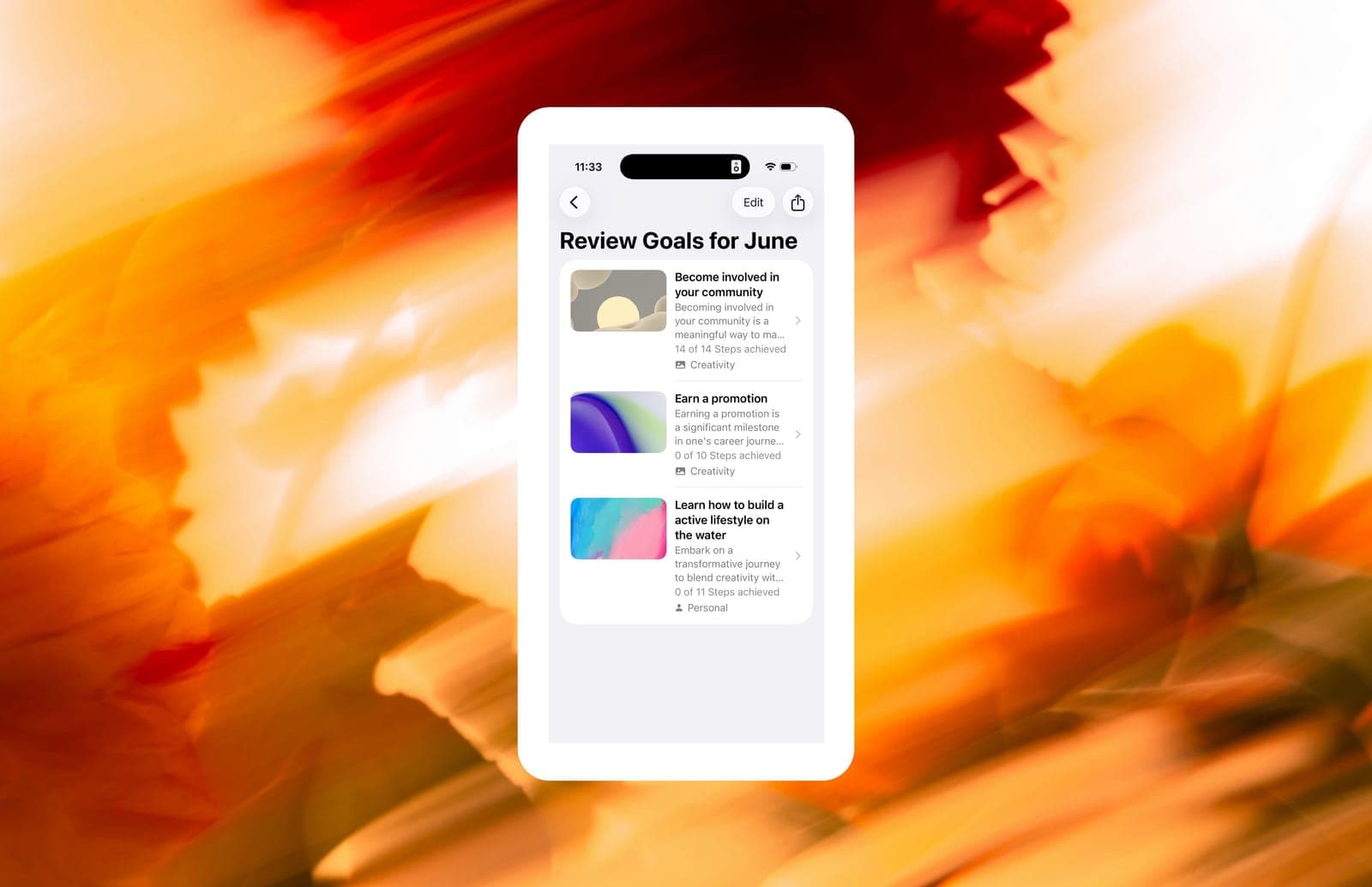
A vision board sits on top, so your bigger picture stays in view. Each month you set a few goals, and Fred AI turns a goal you describe into concrete steps you can act on. Gentle reminders keep you moving, and a monthly recap shows what you did.
The best part is the clean reset. Each month starts fresh, so unfinished goals never pile up as debt.
The free plan includes up to four goals, the vision board, and reminders. Pro is €4 a month or €40 a year, with unlimited goals.
If you want goal tracking that feels simple, get started today.
Frequently asked questions
The best way is the one you will keep doing. Choose a specific goal, break it into steps you can check off, then review your progress on a regular rhythm.
A goal tracker app is a tool that stores your goals and progress in one place. It lets you record steps and see how far you have come.
A habit tracker follows a small daily action and its streak. A goal tracking app follows a bigger outcome and the steps that move it forward over weeks or months.
Yes, you can track goals for free with a notebook or a spreadsheet. Apps like Fred also offer a free plan with up to four goals, a vision board, and reminders.
A weekly or monthly check-in works well for most goals. We lean toward monthly for bigger ones, so a single missed day never derails the whole plan.