Goal Setting
What Is Motivation? A Simple Guide to Finding It and Keeping It
What motivation really is
Motivation is the reason you act. It is the push that gets you to start something or to keep going. That is the whole idea in one plain sentence.
You have felt it arrive and then slip away. In January the gym is packed and your notes app is full of plans. By March those same plans sit untouched, and the energy is gone.
That fade is common. In fact, motivation fades fast: in 2020, a Strava analysis of global athlete data named January 19 "Quitter's Day," the day people were most likely to abandon their New Year's fitness resolutions.
Here is the part worth holding onto. Motivation goes up and down, and that is completely normal. It is a feeling, and feelings move.
The two main types of motivation
Motivation comes in two main forms, and telling them apart makes the whole thing easier to work with.
The first is intrinsic motivation. You do something because the thing itself feels good, like running because it clears your head.
The second is extrinsic motivation. You do something for an outside reward or to avoid pressure, like running to win a medal or to please a coach.
| Type of motivation | What drives it | Everyday example |
|---|---|---|
| Intrinsic | The activity itself | You run because it clears your head |
| Extrinsic | An outside reward or pressure | You run to win a medal or please a coach |
Intrinsic motivation tends to last longer, and there is good evidence for that. In a review of 128 studies, Deci, Koestner and Ryan (1999) found that tangible rewards significantly undermined free-choice intrinsic motivation.
So a gold star can help in the short run. But the goals you enjoy for their own sake are the ones you keep coming back to.
What actually drives lasting motivation
Psychologists Richard Ryan and Edward Deci describe three needs that keep motivation alive, known as Self-Determination Theory. When these are met, effort feels more like yours and less like a chore.
- Autonomy: you chose it. Example: you decided to learn Spanish because you want to, not because someone told you to.
- Competence: you can do it. Example: your first ten push-ups prove the next ten are possible.
- Relatedness: you are not alone. Example: a friend asks how your writing is going, and you feel seen.
Why motivation fades (and why that is normal)
Motivation rarely disappears for no reason. Usually a few quiet things drain it.
Big or vague goals are a common one. A goal like "get healthy" gives your brain nowhere to start, so you stall before you begin.
No visible progress is another drain. When you cannot see movement, the effort starts to feel pointless.
Then there is pressure. When a goal turns into a daily test you keep failing, the guilt does more harm than the missed day ever did.
When motivation drops, the usual cause is how the goal was built, not a flaw in you. That is why I built Fred. A clear place to start, and a next step, carry more than pressure ever did.
How to stay motivated: a system that survives low days
The real fix is a system, not more willpower. A good system carries you on the days motivation goes quiet.
Here are the moves, in short:
- Start with a vision: keep the life you want in plain sight so your goals have a reason.
- Break goals into small steps: shrink the first step until it is easy to finish.
- Make the process enjoyable: pick a version of the goal you actually like.
- Write it down and share it: put the goal on paper and tell one person.
- Check in monthly: review at month end and reset without guilt.
Start with a vision, not a to-do list
A vision is a clear picture of the life you want. It supplies the reason a quote on a feed cannot. Keep the big picture close, and the small step stays attached to it.
A vision board is a simple way to do that. It is a collection of images, quotes, and moods that show where you are headed.
Keeping that picture in front of you seems to matter. Research on goal imagery published in Frontiers in Psychology (2025) found that people who keep your vision visible, vividly imagining their goals, tend to perform better.
If you want a practical starting point, we wrote about why vision boards matter for goals.
Break big goals into small steps
Motivation follows action more often than it leads it. You do not need to feel ready. One small finished step creates momentum, and momentum is far more reliable than a mood.
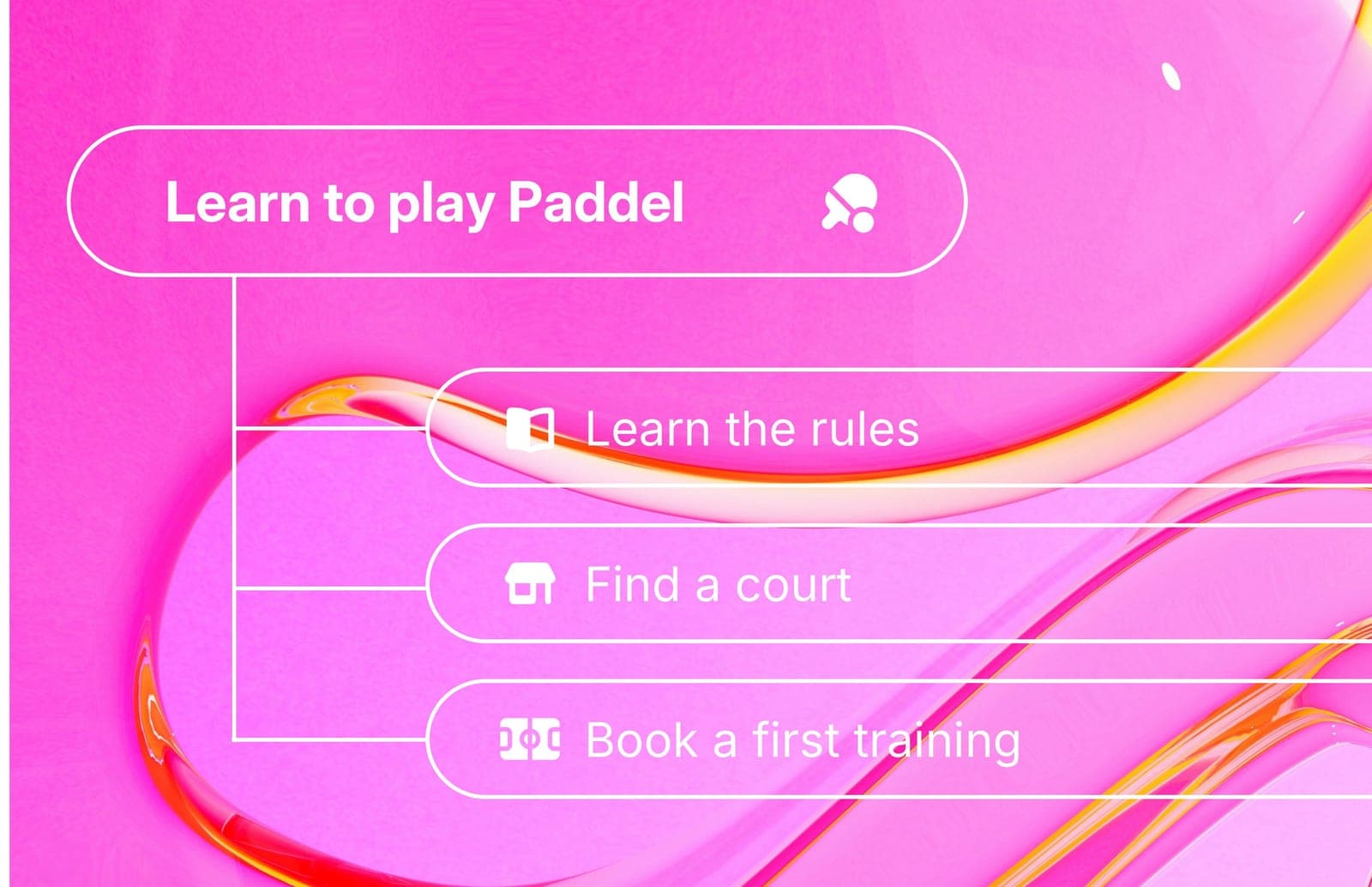
Most goals stall because the first step is unclear, not because willpower is missing. This is where Fred AI can turn vague goals into steps in seconds.
The trick is to make each step small enough to finish today. Those small, actionable steps add up faster than you expect, like "Read 15 pages before bed on weekdays."
Make the process enjoyable
Pick a version of your goal you genuinely like. Enjoyment keeps you going when a distant payoff feels too far away to pull you forward.
Say your goal is to move more. A walk with a favorite podcast will beat a workout you dread, because you will actually keep doing it. Research agrees: Woolley and Fishbach (2016) found that people choosing an enjoyable path, rather than the most useful one, persisted with it longer.
Write it down and share it
Writing a goal makes it specific and real. Telling one friend adds gentle accountability, which meets that need for relatedness.
This is not about a public performance or a big announcement. It is one message to one person.
The results back it up. In Dr. Gail Matthews' Dominican University study, the people who write your goals down and sent weekly progress updates to a friend did best: over 70% said they had accomplished their goal or gotten more than halfway there. Those who kept their goals to themselves and unwritten hit just 35%.
Check in monthly instead of chasing a perfect year
A year is a long time to hold a resolution. A month is easier. Pick a couple of focus goals, review them at month end, and start the next month fresh.
Small progress still counts, and a missed goal does not roll over as debt. If you want a gentle way to plan your year around a vision, a monthly rhythm keeps the big picture in view without the pressure.
Conclusion
Losing motivation is normal, and it is far easier to rebuild than to force. A feeling will always come and go, but a simple system stays put.
So start small this week. Pick one goal that matters, shrink the first step, and put your vision somewhere you will see it.
Start with Fred today
Fred is a home for your goals. Set the vision, plan one or two goals for the month, and let AI break each one into steps you can take. A missed day does not become a debt. Open Fred, pick the next step, and let progress feel natural.
The free plan includes up to four goals. Start with Fred today.
Frequently asked questions
Motivation is the internal or external reason that moves you to act toward something you value. It can come from enjoying the activity itself or from an outside reward.
Shrink the first step until it feels almost too easy, then finish it to build momentum. Lean on a simple system rather than willpower, since willpower runs out and a system does not.
The two main types are intrinsic motivation, doing something for its own sake, and extrinsic motivation, doing it for an outside reward or pressure. Intrinsic motivation usually lasts longer.
Start with a clear vision, break goals into small steps, choose a process you enjoy, and check in on a regular schedule. Together these carry you through the low-motivation days.